
The following Tree of Life illustrations show some of the many correspondences that align with the Tree of Life and practical Qabalah teachings. As well displaying key words that relate to the different sephiroth, there are also key meanings and astrological correspondences.


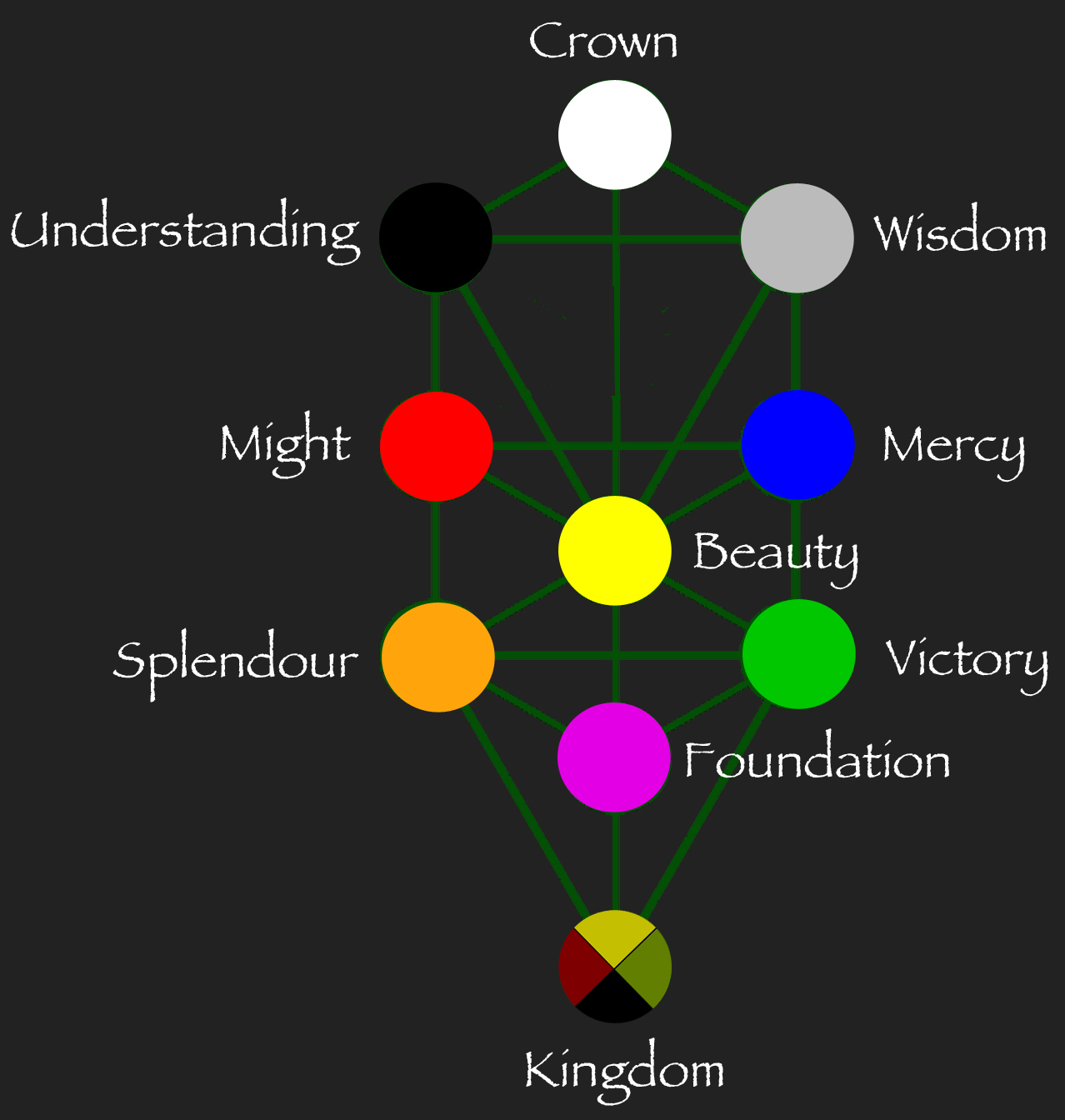
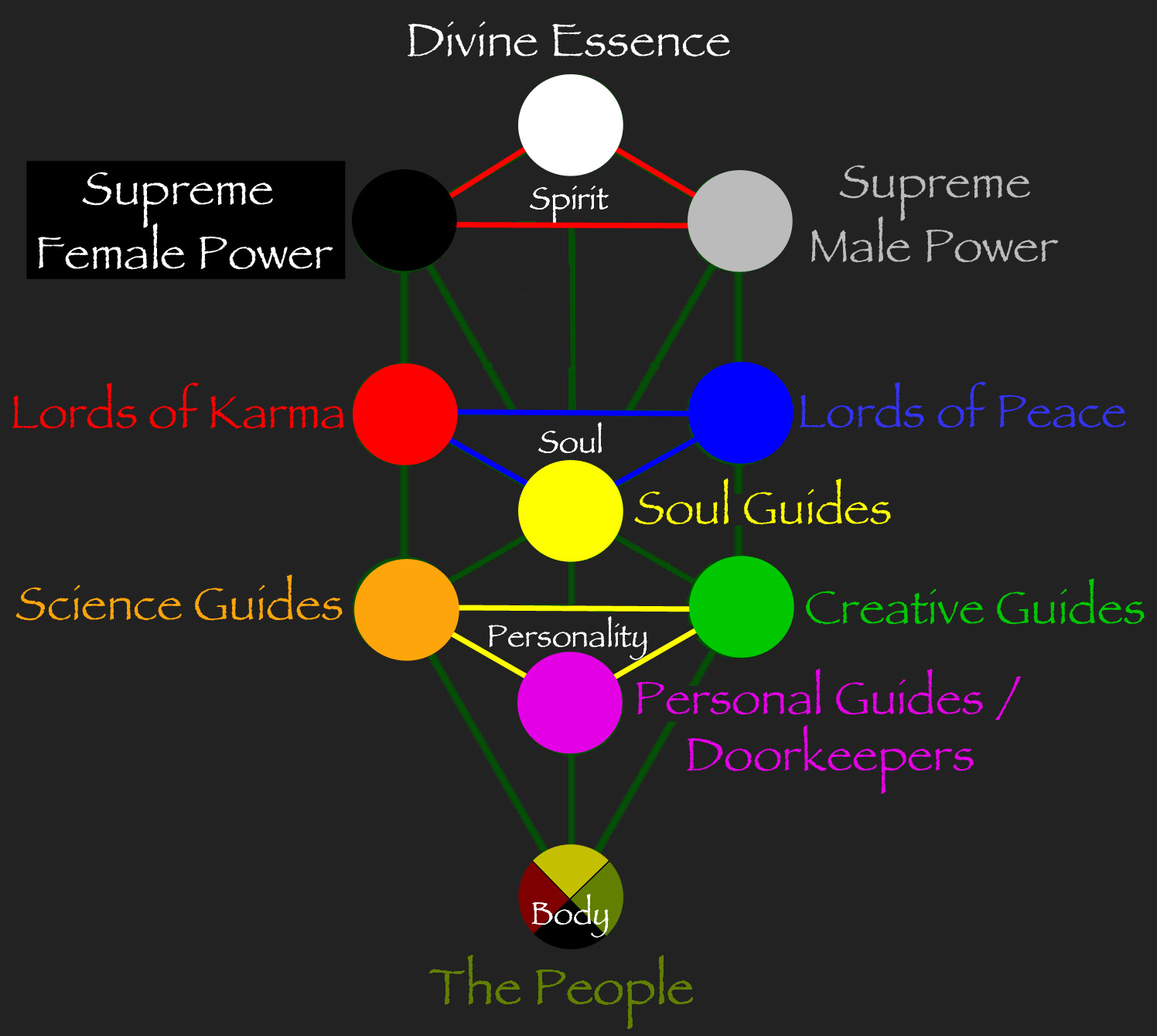

We hope you have enjoyed exploring the Tree of Life Illustrations and the different correspondences. Further information is available on each sephirah and on how to get started with learning how to use the practical Qabalah and Tree of Life in everyday life.
The first sephirah to explore is Malkuth – Kingdom of the Physical Plane. All of the areas on the Tree of Life can be looked at on an individual basis, as well as a universal one. So, for example, when studying Malkuth you can relate the teachings to yourself with regard to the way you take action in your everyday life and you can also apply the teachings to the whole of humanity and the planet earth.
Yesod is the gateway to the subconscious mind and astral worlds. You can use this sephirah to understand the state of your own personal subconscious and how you personally emotionally respond and react in life. This area is also where you can make a strong connection with your own personal spirit guide.
To help you get started with exploring this ancient wisdom there is a ‘personality bundle‘ that covers the first 4 areas on the Tree of Life: Malkuth, Yesod, Hod and Netzach.
Once this level has been completed the next stage to work on is the region of the soul.
Then finally you move into the spiritual realms.
Other useful links: